Creating Real Psychological Safety at Your Table — A Guide for DMs and Players

Updated: Dec 13, 2025
In tabletop role-playing games (TTRPGs) like Dungeons & Dragons, Pathfinder, or any system where collaborative storytelling takes center stage, the table is a space for epic adventures, deep character growth, and meaningful connections. But for that magic to happen, everyone needs to feel truly safe — not just physically, but psychologically. Psychological safety means players can take risks in roleplay, express emotions, and immerse themselves without fear of judgment, discomfort, or harm.
Real psychological safety isn't about bubble-wrapping your game or banning all dark themes. It's about intentional practices that build trust, respect boundaries, and ensure the fun is shared by all. This guide is for Dungeon Masters (DMs)/Game Masters (GMs) and players alike, drawing from established TTRPG community tools and insights.
Cover why it matters, key practices like Session Zero, essential safety tools, ongoing habits, and resources — including organizations using TTRPGs therapeutically.

Why Psychological Safety Matters at the Table
TTRPGs can touch on intense topics: trauma, loss, horror, relationships, or moral dilemmas. What excites one player might trigger discomfort or real distress in another. Without safety measures, a game can unintentionally harm players or erode trust.
Conversely, a psychologically safe table leads to:
Deeper roleplay and creativity
Stronger group bonds
More inclusive games that welcome diverse players
Better handling of in-game conflicts, both In character (IC) and Out of Character (OOC)
Research and community experience show TTRPGs can even support mental health, fostering empathy, social skills, and stress relief — especially for groups like veterans and first responders.
Start Strong: The Power of Session Zero
The foundation of a safe table is Session Zero — a dedicated pre-campaign meeting (or meetings) before any dice hit the table for the story.
In Session Zero:
Discuss expectations: Tone (grimdark? heroic? silly?), playstyle (combat-heavy? roleplay-focused?), and house rules.
Build characters together for party cohesion.
Set the stage for safety tools (more below).
Crucially, use this time to openly talk about content boundaries. Make it clear: No one ever has to explain their boundaries. Trust is key.
Essential Safety Tools Every Table Should Know
Here are proven, widely-used tools from the TTRPG community. Pick what fits your group — you don't need all of them, but starting with a few is transformative.
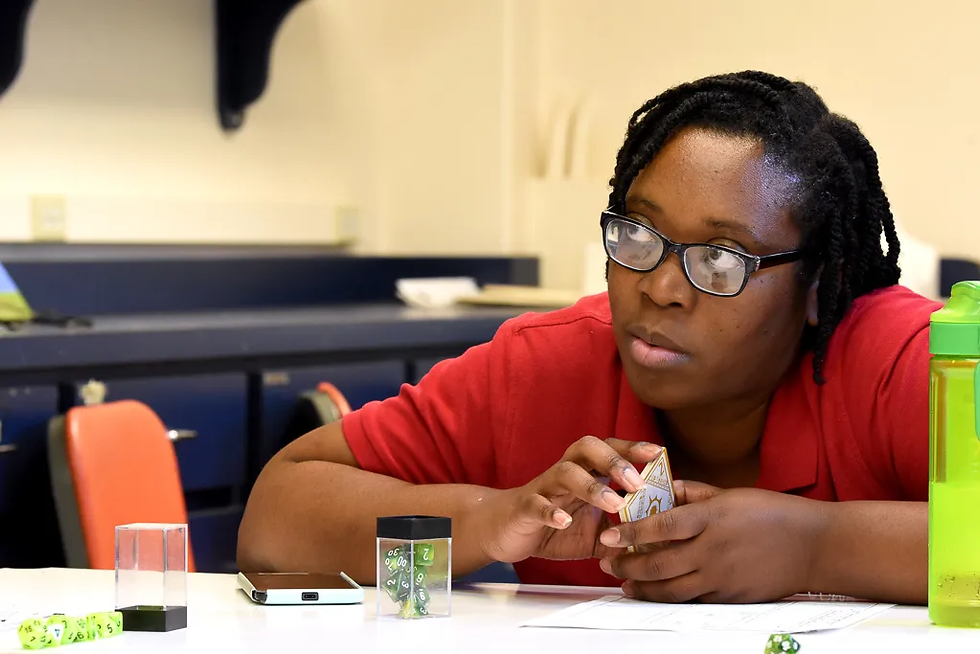
The Deck of Player Safety (https://www.deckofplayersafety.com/)
Created to ensure all participants, whether they are good friends or complete strangers, have a quick and anonymous method to signal hot-button topics they want to exclude from their gaming experience.
Most importantly, they can do so without being in the spotlight
Incorporating the DOPS at your table demonstrates you respect your fellow gamers and want to avoid compromising anyone’s comfort.
It can also head off problems before they arise, allowing for a smoother session for the Game Master (GM)
Aftercare and Breaks
Build in short breaks during sessions. After intense scenes, debrief OOC: "How is everyone feeling?"
For online play, tools like Roll20 or Discord integrations make these seamless.
Tips for DMs: Leading with Empathy
Model vulnerability: Share your own lines/veils first.
Err on the side of caution with new groups.
If something slips through, apologize sincerely and adjust.
Remember: Safety tools enhance storytelling, not restrict it. They free players to dive deeper knowing there's a net.
Tips for Players: Owning Your Experience
Speak up in Session Zero — your comfort matters.
Use tools without hesitation; they're there for you.
Support others: If someone invokes a tool, back them up.
If you're unsure, test the waters privately with the DM.
When TTRPGs Go Beyond Fun: Therapeutic Gaming
For some, TTRPGs are more than entertainment — they're a tool for healing. Organizations like Roll2Heal (www.roll2heal.org) use games to support veterans, first responders, and healthcare professionals dealing with PTSD and stress. Founded on personal stories of how D&D provided lifesaving anticipation and community, Roll2Heal builds safe spaces where storytelling fosters relationships and relief.
Check out their site at www.roll2heal.org for community details or the Discord at https://discord.gg/q7HAsxb4Rt for insights on therapeutic play (even if posts are still growing!).
Final Thoughts: Safety Is the Real Magic
Creating psychological safety isn't a one-time checkbox — it's an ongoing commitment. It might feel formal at first, but it quickly becomes second nature, leading to the best games of life.
The table is a shared world. Build it on trust, and the stories told will be legendary — and kind.
Happy adventuring — safely!