Easing Physician Burnout After the Pandemic: Insights from Mayo Clinic and the Power of Tabletop Role-Playing Games

Updated: Jan 26
Overview
The COVID-19 pandemic pushed healthcare professionals to their limits, leaving many physicians grappling with burnout—feelings of exhaustion, disconnection, and reduced passion for their work. But there’s good news: recent data from the Mayo Clinic shows burnout rates are starting to ease. Even so, the challenge isn’t over, with over 40% of doctors still feeling the strain. At Roll2Heal, we’re excited to share an unexpected way to recharge: tabletop role-playing games (TTRPGs) like Dungeons & Dragons. These games offer a fun, creative outlet for Veterans, First Responders, and healthcare workers to connect, unwind, and tackle stress, including post-traumatic stress disorder (PTSD). In this post, we’ll dive into the latest burnout trends and show how Roll2Heal’s in-person TTRPG sessions can help healthcare heroes find balance and joy.

The State of Physician Burnout
Physician burnout was a growing concern even before the pandemic, driven by long hours, high-stakes decisions, and endless paperwork. The crisis hit a peak in 2021, with nearly 63% of doctors reporting burnout symptoms, up sharply from earlier years (Shanafelt et al., 2025). The good news? By 2023, that number dropped to 45.2%, and in 2024, it fell further to 43.2%—closer to pre-pandemic levels (American Medical Association, 2025; West et al., 2025). Changes like flexible schedules and better mental health support are helping.
But the numbers still tell a tough story. Primary care doctors are hit hardest, with burnout rates near 58% (Stanford Medicine, 2025). Many physicians are considering cutting hours or leaving medicine altogether, which could strain healthcare access (Shanafelt et al., 2025). For those also dealing with PTSD-like symptoms from intense work, finding effective ways to recharge is critical. That’s where creative, community-driven activities like TTRPGs come in.
How TTRPGs Help Recharge and Heal
You might be wondering: how can a game where you pretend to be a wizard or warrior help with burnout? TTRPGs are more than just fun—they’re powerful tools for mental health. In these games, players team up to create stories, solve problems, and explore imaginary worlds led by a game master (GM). Research shows TTRPGs can reduce stress, boost social connections, and even help with conditions like anxiety, depression, and PTSD (Leal & Cardoso, 2024; American Psychological Association, 2025).
Here’s why they work:
Escapism with Purpose: TTRPGs let you step away from real-world stress and dive into a safe, creative space. Playing a character can help you process emotions indirectly, building resilience without pressure (Center for Deployment Psychology, 2025).
Building Bonds: Burnout often leaves people feeling isolated. TTRPGs bring players together, fostering teamwork and empathy—key for healthcare workers who pour so much into others (Armed Forces Guardian Family, n.d.).
Reframing Challenges: For Veterans, First Responders, and doctors, TTRPGs offer a way to “slay dragons” metaphorically, turning tough experiences into stories of triumph and agency (Center for Deployment Psychology, 2025).
Studies back this up: TTRPGs improve social skills, reduce anxiety, and can even complement therapy for mental health challenges (Leal & Cardoso, 2024). They’re a low-cost, high-impact way to recharge.
Roll2Heal: Gaming for Healing and Connection
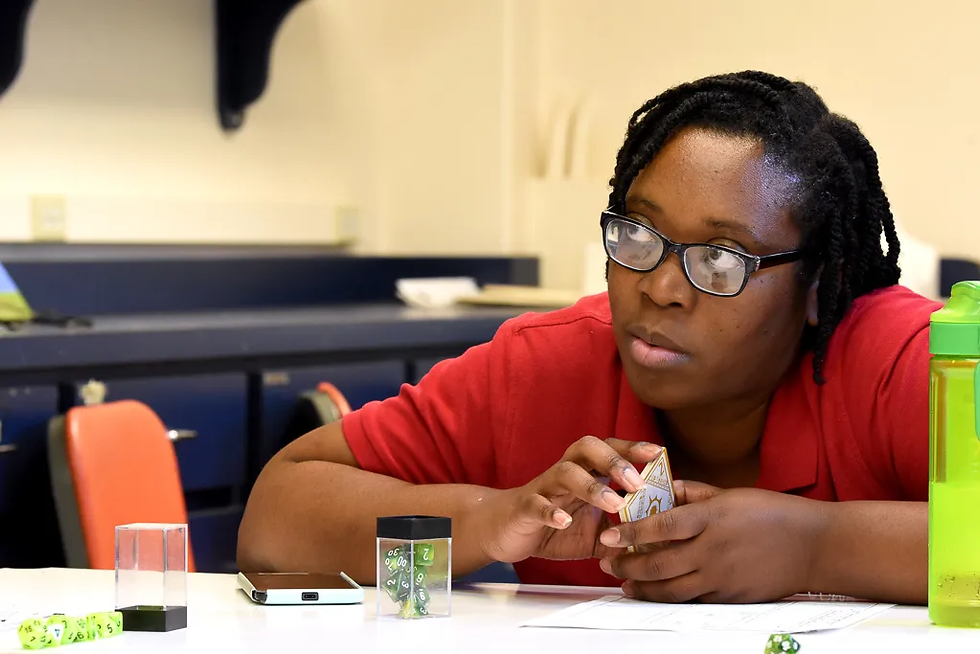
At Roll2Heal, we’re passionate about using TTRPGs to support Veterans, First Responders, and healthcare professionals. Our in-person game sessions create safe, welcoming spaces where players can laugh, create, and connect—countering the isolation and stress of burnout. Picture a doctor leaving a tough shift to join a group, rolling dice as a brave adventurer, and finding camaraderie with others who get it. Our volunteer game masters, trained in trauma-informed facilitation, ensure every session feels inclusive and uplifting.
We’ve seen players leave sessions with renewed energy, stronger friendships, and even a spark for their work again. As burnout rates improve, Roll2Heal is here to keep the momentum going, offering a community where healing happens through play.
Join the Adventure with Roll2Heal
The drop in physician burnout is a hopeful sign, but there’s more work to do. Mayo Clinic data points the way, and TTRPGs offer a unique, proven path to recovery. Whether you’re a healthcare professional needing a break, a Veteran seeking connection, or a First Responder looking to destress, Roll2Heal invites you to roll the dice with us.
Want to get involved? Join our community on Discord at https://discord.gg/q7HAsxb4Rt, where you can become a member and find a local chapter for in-person games. Interested in leading as a game master or chapter lead? We welcome your involvement. You can also support our mission by donating at roll2heal.org/donate. Let’s turn burnout into breakthrough, one epic story at a time.
References
American Medical Association. (2025, May 1). U.S. physician burnout hits lowest rate since COVID-19. Retrieved from https://www.ama-assn.org/practice-management/physician-health/us-physician-burnout-hits-lowest-rate-covid-19
American Psychological Association. (2025, April 1). Improving treatment with role-playing games. Retrieved from https://www.apa.org/monitor/2025/04-05/role-playing-games-therapy
Armed Forces Guardian Family. (n.d.). 8 ways tabletop role-playing games can improve mental health. Retrieved from https://afgfamily.com/blog/news/8-ways-tabletop-role-playing-games-can-improve-mental-health/
Center for Deployment Psychology. (2025, May 7). Staff perspective: Helping clients slay their dragons through therapeutically applied role-playing games. Retrieved from https://deploymentpsych.org/blog/staff-perspective-helping-clients-slay-their-dragons-through-therapeutically-applied-role
Leal, J. C., & Cardoso, S. (2024). A scoping review of tabletop role-playing game (TTRPG) as a tool for health and well-being. Games for Health Journal, 13(4), 245–256. Retrieved from https://pmc.ncbi.nlm.nih.gov/articles/PMC11299717/
Shanafelt, T. D., West, C. P., Sinsky, C. A., Trockel, M., Tutty, M., Satele, D. V., Carlasare, L. E., & Dyrbye, L. N. (2025). Changes in burnout and satisfaction with work–life integration in physicians and other working adults between 2021 and 2023. Mayo Clinic Proceedings. Retrieved from https://www.mayoclinicproceedings.org/article/S0025-6196(24)00668-2/fulltext
Stanford Medicine. (2025, April 9). U.S. physician burnout rates drop yet remain worryingly high. Retrieved from https://med.stanford.edu/news/all-news/2025/04/doctor-burnout-rates-what-they-mean.html
West, C. P., Dyrbye, L. N., Shanafelt, T. D., & Satele, D. V. (2025). Burnout trends among U.S. health care workers. JAMA Network Open, 8(4), e259027. Retrieved from https://jamanetwork.com/journals/jamanetworkopen/fullarticle/2833027