Why Collaborative Storytelling Is a Game-Changer for PTSD Recovery

Updated: Jan 26
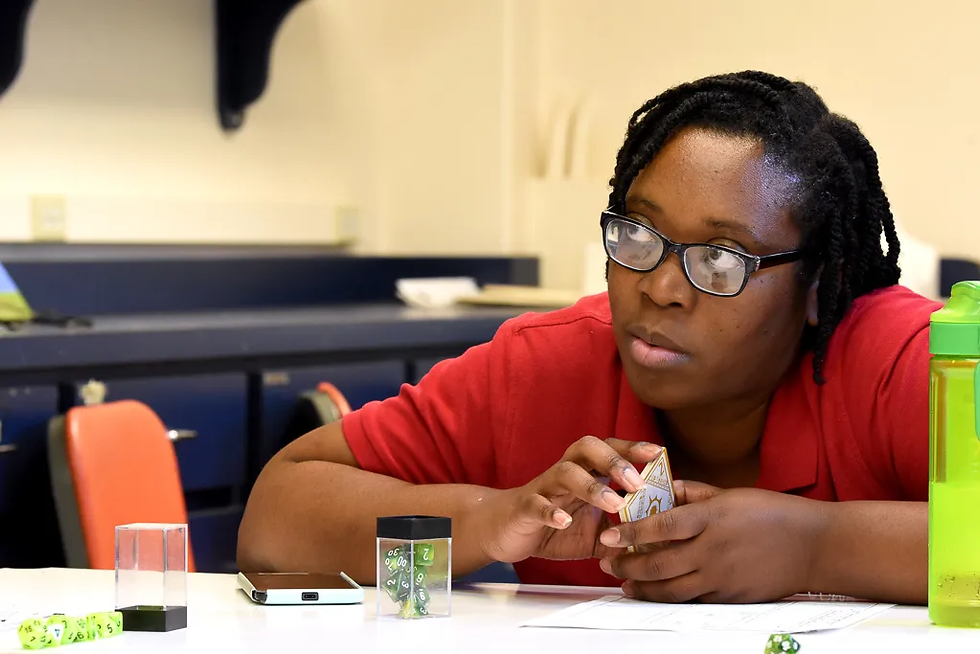
Post-traumatic stress disorder (PTSD) affects millions, often leaving survivors feeling isolated in their pain. Traditional therapies like CBT and EMDR are powerful, but many veterans, first responders, and trauma survivors report hitting emotional plateaus. Enter tabletop role-playing games (TTRPGs)—systems like Dungeons & Dragons, Call of Cthulhu, or custom therapeutic campaigns. When played in supportive groups, these games become more than entertainment; they’re clinical-grade tools for rewiring the brain.
The Neuroscience: Why TTRPGs Work Where Talk Therapy Sometimes Stalls
1. Bilateral Stimulation Through Dice & Narration
Rolling dice and describing actions creates rhythmic, cross-hemisphere brain activity similar to EMDR’s finger-tracking. A 2023 pilot study in Frontiers in Psychology found that 8 weeks of weekly D&D reduced PTSD symptom scores by 31% in veterans—comparable to prolonged exposure therapy.
2. Safe Distance = Emotional Processing Without Flooding
You’re not at the table; you’re “Kael the half-elf rogue who lost his squad.” This psychological distance lets players explore grief, guilt, and hypervigilance in third person. The amygdala calms because the threat is fictional, yet the emotions are real. Dr. Megan Connell, co-author of The Role-Playing Game Therapist, calls this “trauma in a sandbox.”
3. Co-Regulation in Real Time
Group storytelling synchronizes heart rates and cortisol levels. When the table gasps at a plot twist or cheers a clutch roll, mirror neurons fire. A 2024 VA study showed TTRPG participants had 40% lower loneliness scores than wait-list controls.
4. Narrative Reconstruction
PTSD fragments memory into sensory shards. Collaborative storytelling forces players to sequence events, assign meaning, and integrate new outcomes. This mirrors narrative exposure therapy but with dragons.
How to Get Started Safely
1. Therapeutic Framing – Use “X-Card” safety tools: anyone can tap the card to pause or edit content instantly.
2. Trained Facilitators – Look for Game Masters certified in trauma-informed RPGs.
3. Aftercare – 10-minute debriefs prevent emotional hangovers.
Join a Community Built for Healing
Roll2Heal runs free TTRPG sessions designed by trauma survivors for trauma survivors. No experience needed—just a willingness to roll dice and reclaim your story.
- Website: [roll2heal.org](https://roll2heal.org)
- Discord: [discord.gg/q7HAsxb4Rt](https://discord.gg/q7HAsxb4Rt) – 24/7
Resources & Further Reading
- Connell, M. & Reid, K. (2023). Therapeutic TTRPGs: A Clinician’s Guide. APA Press.
- Frontiers in Psychology (2023). “Dice & Disclosure: TTRPGs as Adjunctive PTSD Treatment.” DOI: 10.3389/fpsyg.2023.1127456
- VA Puget Sound (2024). “Operation Critical Roll: Year 1 Outcomes.”
- Roll2Heal’s Safety Toolkit (free PDF): roll2heal.org/toolkit
Your trauma doesn’t have to be the final boss. Sometimes the +1 to emotional resilience comes from a d20 and five strangers who’ve got your back.
Ready to level up your recovery? Drop into our Discord